
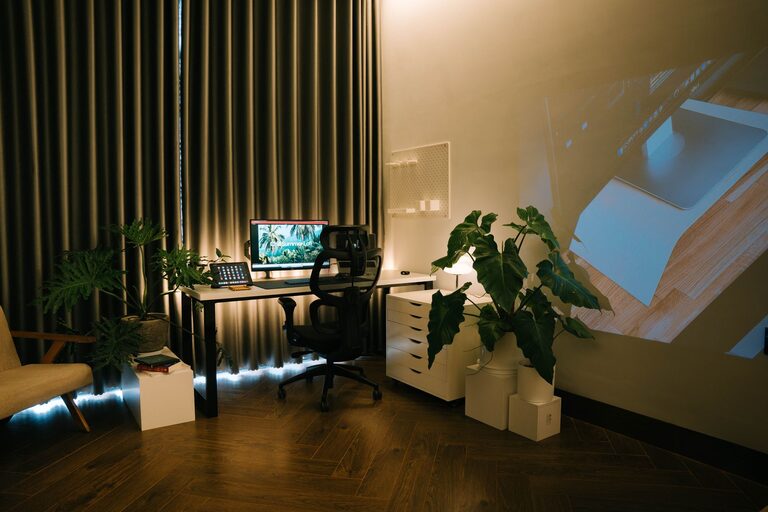
How to Create a Relaxing Home Workspace for Better Focus
Creating a relaxing home workspace is essential for maintaining focus and balance, especially when working remotely. A well-designed area tailored to your comfort not only enhances productivity but also helps reduce stress throughout the day. Whether you have a dedicated room or just a small corner, there are plenty of ways to transform your space into a calm and inviting work environment.
Why a Relaxing Workspace Matters
Your work environment can directly influence your mood, energy levels, and effectiveness. A cluttered or uncomfortable space can lead to distractions and fatigue. On the other hand, a relaxing workspace promotes a sense of calm and helps you stay motivated. It encourages better posture, reduces eye strain, and can improve your overall work-life balance.
Steps to Create a Relaxing Home Workspace
1. Choose the Right Location
Selecting the right spot in your home is the first step. Ideally, pick a space with natural light and some quiet away from high-traffic areas. If possible, avoid working from your bed or couch. A dedicated area signals your brain it’s time to focus.
2. Invest in Comfortable Furniture
Your chair and desk are the foundation of a comfortable workspace.
– Supportive Chair: Look for an ergonomic chair that supports your lower back and encourages good posture.
– Desk Height: Your desk should allow your arms to rest comfortably with elbows at a 90-degree angle.
– Adjustable Options: Sitting and standing desks offer flexibility to change positions throughout the day.
3. Maximize Natural Light and Add Soft Lighting
Natural light can enhance mood and reduce eye strain. Arrange your desk near a window when possible.
If natural light is limited:
– Use soft, warm LED lights instead of harsh overhead lighting.
– Consider a desk lamp with adjustable brightness.
4. Declutter and Organize
A messy desk can lead to a cluttered mind. Keep only essential items within reach.
– Use organizers, trays, or drawers to store supplies neatly.
– Regularly clear out unnecessary papers or objects.
– Digital organization can also help—keep your computer desktop tidy.
5. Personalize Your Space With Calming Elements
Adding personal touches can make your workspace more inviting and relaxing.
– Plants: Small indoor plants improve air quality and add a natural feel.
– Artwork: Choose soothing images or inspirational quotes.
– Colors: Soft, neutral colors create a calming atmosphere. Avoid overly bright or distracting shades.
6. Minimize Noise and Distractions
If ambient noise is an issue, consider:
– Noise-canceling headphones or earplugs.
– Playing gentle instrumental music or white noise.
– Using room dividers to separate your workspace visually and acoustically.
7. Integrate Technology Thoughtfully
Keep cords organized with cable management tools to prevent tangles and clutter.
Position screens to reduce glare and ensure comfortable viewing angles. Use blue light filters or glasses to protect your eyes.
8. Incorporate Break-Friendly Features
Encourage movement and relaxation during breaks.
– Place a yoga mat or comfortable chair nearby for stretching.
– Keep a water bottle handy to stay hydrated.
– Use timers or apps to remind you to take short breaks away from screens.
Maintaining a Relaxing Workspace
Creating the space is just the beginning—regular maintenance is key.
– Set aside time weekly to tidy and reorganize.
– Adjust lighting and furniture as needed for comfort.
– Refresh plants and decor periodically to keep the environment lively.
Final Thoughts
A relaxing home workspace doesn’t require a large budget or a dedicated room. By focusing on comfort, organization, and personalization, anyone can create an environment that supports both productivity and well-being. Start with small changes, and you’ll soon notice a more positive and focused workday.
